Plants › Sunflowers, Daisies, Asters, and Allies
orange hawkweed
Pilosella aurantiaca
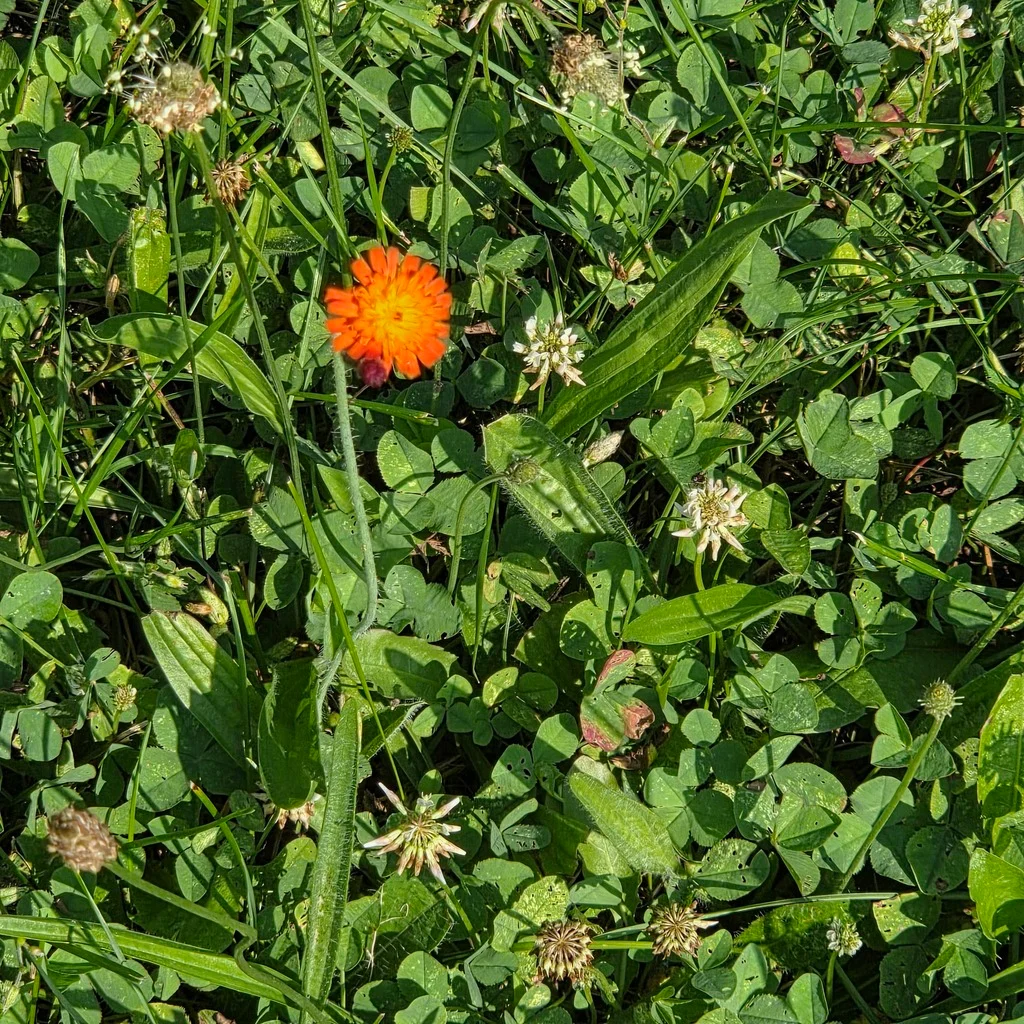


30 photos
Study shows up to four per card, from different observers, so you learn the species rather than one picture. Heart the good ones and swap any you do not like.
Photos you add are credited to you, and you keep the copyright.
Easily confused with
Golden HawksbeardCrepis aurea
orange agoserisAgoseris aurantiaca
pot marigoldCalendula officinalis
meadow hawkweedPilosella caespitosa
mouse-eared hawkweedPilosella officinarum
Hybrid Fox-and-cubsPilosella stoloniflora
Red TasselflowerEmilia fosbergii
Hawkweed OxtonguePicris hieracioides
Study checks a spoken answer against these, and tells you which one you named.
Where it is recorded
| United States | 21,278 |
|---|---|
| Canada | 14,384 |
| Ontario | 6,757 |
| United Kingdom | 5,029 |
| England | 3,694 |
| British Columbia | 3,235 |
| Michigan | 2,859 |
| Wisconsin | 2,838 |
| Germany | 2,778 |
| Minnesota | 2,562 |
Counts show where people looked, not only where it lives.
Traits
Group and habits
- Restoration or landscaping useListed as being used for restoration, landscaping, ornamental planting, erosion control, soil improvement, shade, windbreaks, pollution indicators, or wastewater purification.Kew World Checklist of Useful Plant Species
- Pollinator-associated plantDescends from a plant lineage commonly associated with pollinators.Inferred from its group
Classification
| Kingdom | Plants · Plantae |
|---|---|
| Phylum | Vascular Plants · Tracheophyta |
| Class | Dicots · Magnoliopsida |
| Order | Sunflowers, Bellflowers, Fanflowers, and Allies · Asterales |
| Family | Sunflowers, Daisies, Asters, and Allies · Asteraceae |
| Genus | mouse-ear hawkweeds · Pilosella |
Study it in a deck
Or build your own from the species near you.
Sources
- Names, taxonomy and observation counts: www.inaturalist.org
- Photos and recordings: the creator and source are on each one.
- Traits: Kew World Checklist of Useful Plant Species (CC BY 4.0)
- How much to rely on each source
Remember the name next time.
Practise orange hawkweed with real photos from different observers. Say the name out loud, and it comes back just before you would forget it.