Insects › Cutworm Moths and Allies
Seaside Goldenrod Borer Moth
Papaipema duovata
107 observations in the source records
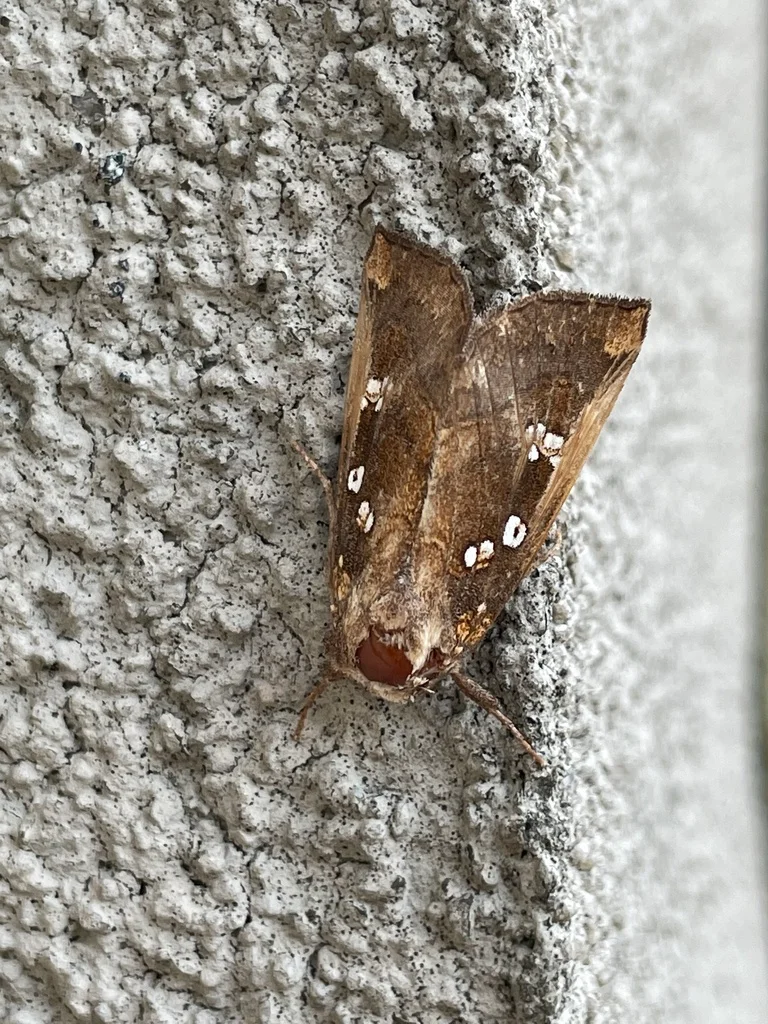


25 photos
Study shows up to four per card, from different observers, so you learn the species rather than one picture. Heart the good ones and swap any you do not like.
Photos you add are credited to you, and you keep the copyright.
What the records say
- 107 observations are recorded in the imported source snapshot. Observation source
Easily confused with
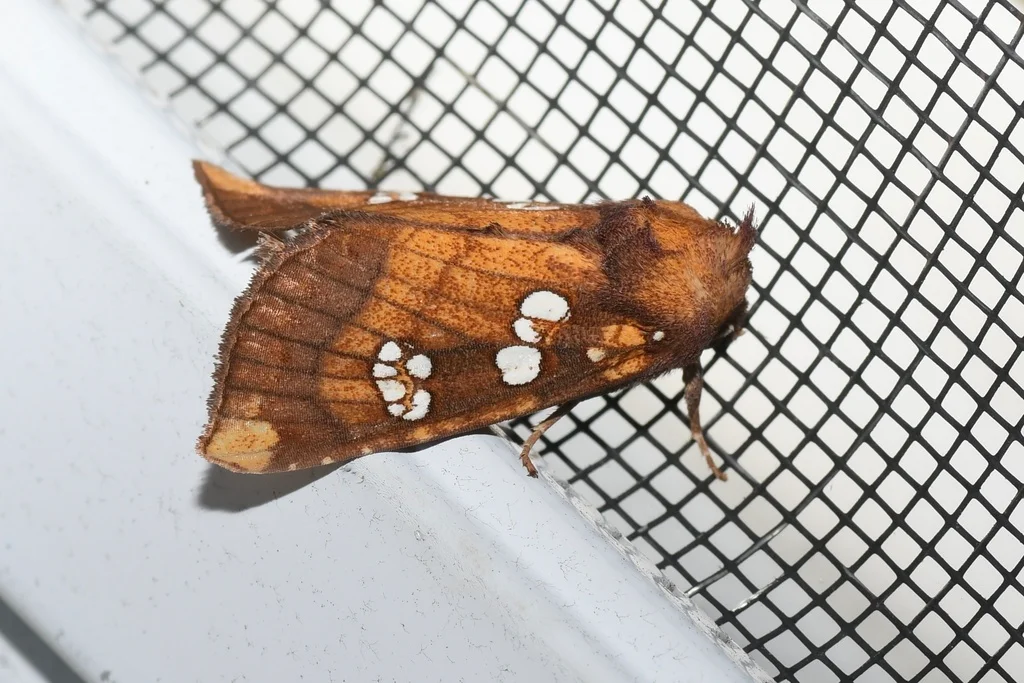 Dogbane Stem Borer MothPapaipema baptisiae
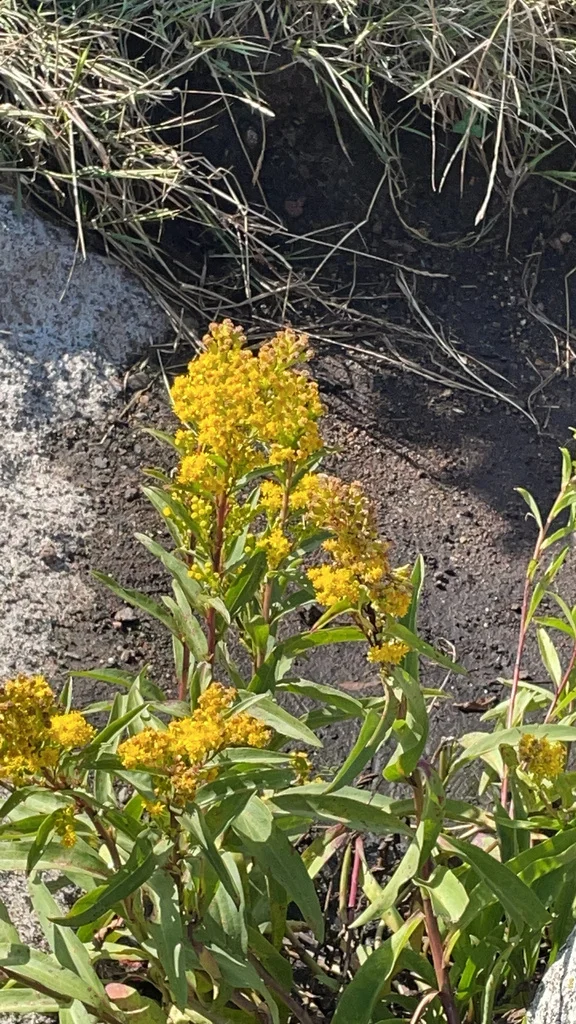 northern seaside goldenrodSolidago sempervirens
Study checks a spoken answer against these, and tells you which one you named.
Where it is recorded
| United States | 186 |
|---|---|
| New York | 50 |
| Massachusetts | 44 |
| Connecticut | 41 |
| New Jersey | 18 |
| Maryland | 9 |
| Delaware | 8 |
| Georgia | 6 |
| North Carolina | 3 |
| Virginia | 3 |
Counts show where people looked, not only where it lives.
Traits
Physical
- MetamorphosisUndergoes dramatic body transformation during developmentFrom its classification
- ExoskeletonHas a hard external skeletonFrom its classification
Group and habits
- Animal pollinatorDescends from an animal lineage whose members commonly pollinate flowers.Inferred from its group
Classification
| Kingdom | Animals · Animalia |
|---|---|
| Phylum | Arthropods · Arthropoda |
| Class | Insects · Insecta |
| Order | Butterflies and Moths · Lepidoptera |
| Family | Cutworm Moths and Allies · Noctuidae |
| Genus | Papaipema |
Sources
- Names, taxonomy and observation counts: www.inaturalist.org
- Photos and recordings: the creator and source are on each one.
- How much to rely on each source
Remember the name next time.
Practise Seaside Goldenrod Borer Moth with real photos from different observers. Say the name out loud, and it comes back just before you would forget it.