Keep the names you look up.
A butterfly lands on the path. You look it up. Painted Lady. A month later it is back, and the name is gone.
Nature By Name is flashcards for the wildlife near you, with real photos and sounds. Identification apps hand you the answer. Here you say the name from memory, and the species comes back just before you would forget it. A few minutes a day is enough.
Free to use. No advertising. Works in your browser.
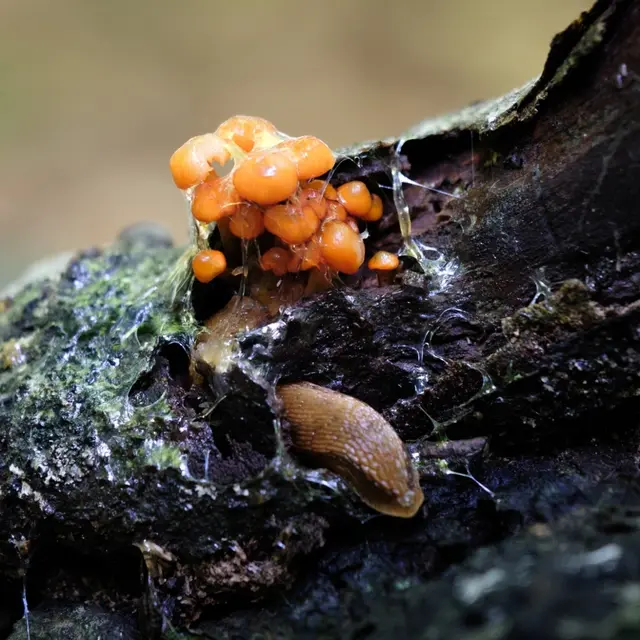
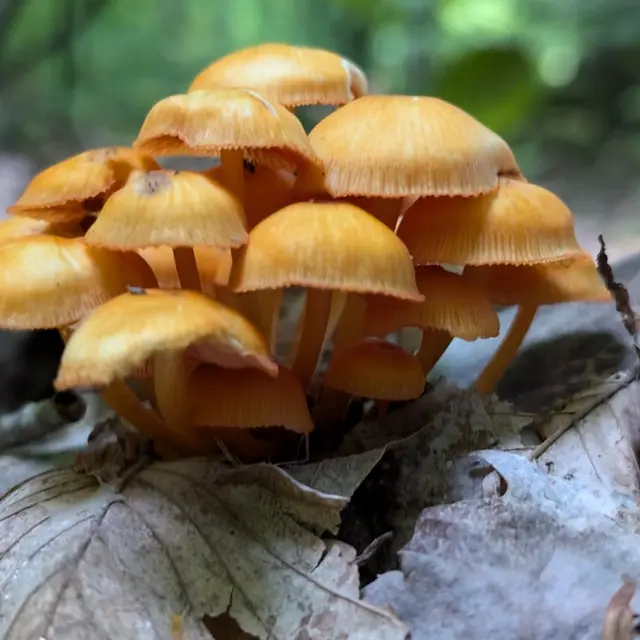
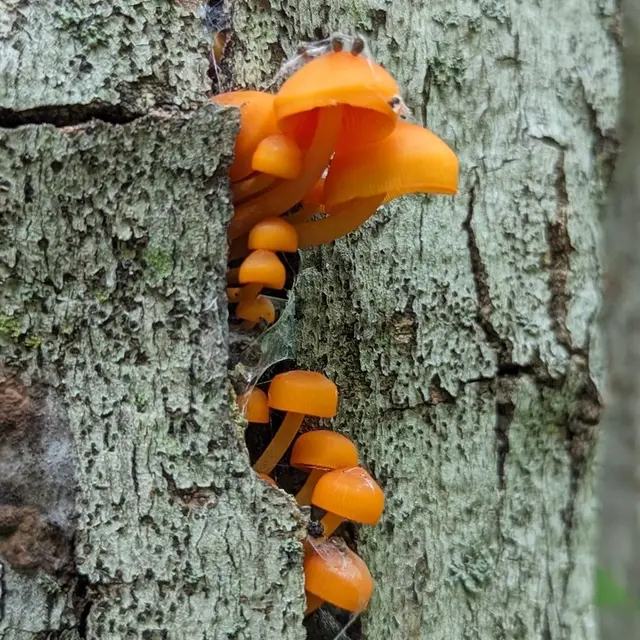
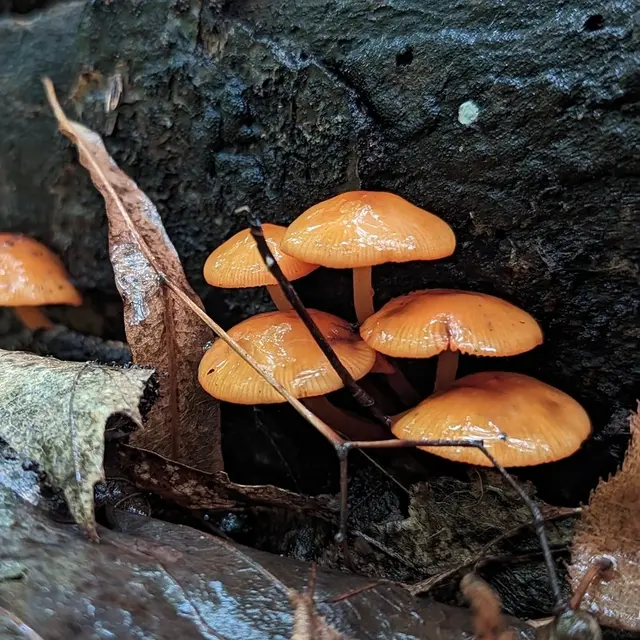
What species is this?
Orange Mycena
Mycena leaiana
Knew it? It comes back in a few days, then less often each time. Not yet? You see it again before the session ends.
Try another speciesLooking something up is not the same as knowing it
That is not a character flaw. It is just memory doing what memory does. Field guides and identification apps give you an answer in the moment. None of them come back next week and ask, “still know this one?” Nature By Name does.
“Before long I had logged more than 500 species. That sounds like knowledge, but ultimately the app was doing the heavy lifting. I still could not reliably name the things I saw.”
A review of ten study techniques rated practice testing and spaced practice the most useful, and rereading among the least. Read the review.
- Start somewhere realWhere you live, a park you keep going back to, or your own iNaturalist or eBird records.
- Meet a few species a dayPhotos, sounds and the details that tell them apart, before anything asks you for the name. Five a day to start.
- Say the name out loudStudy listens as soon as the card appears. Type it or check yourself if you would rather.
- Come back when they are dueHard ones come back sooner. Easy ones leave you alone for a while.
More than a picture and a name
- It hears the lookalikeSay Sharp-shinned Hawk at a Cooper’s Hawk and Study tells you which one you named.
- Several photos, not oneUp to four per card from different observers. Swap a poor one, heart a good one.
- Calls and songsSound cards for birds, frogs and insects with good recordings.
- The answer has contextOrder, family and genus, and the months it turns up near you.
- Scientific names, if you want themA separate card, added after you first name the species correctly.
- A pace you can seeBefore you start, the minutes a day and roughly when you will know the deck.
iNaturalist users keep asking how to learn what they find
“Generate flashcards based on a search or a group ID”
iNaturalist Forum, May 2020. Read the post
“Does anyone have any resources to learn how to better identify a wider variety of organisms on my own?”
iNaturalist Forum, June 2023. Read the post
“Please create a feature to make flashcards from a selection of species descriptions”
iNaturalist Forum, November 2024. Read the post
Already using something else?
Learn the wildlife you keep seeing.
Pick a place and meet your first five species. It is free to use, and it takes a few minutes.
Every photo is credited to its observer, and every species links to its sources. How sources work.